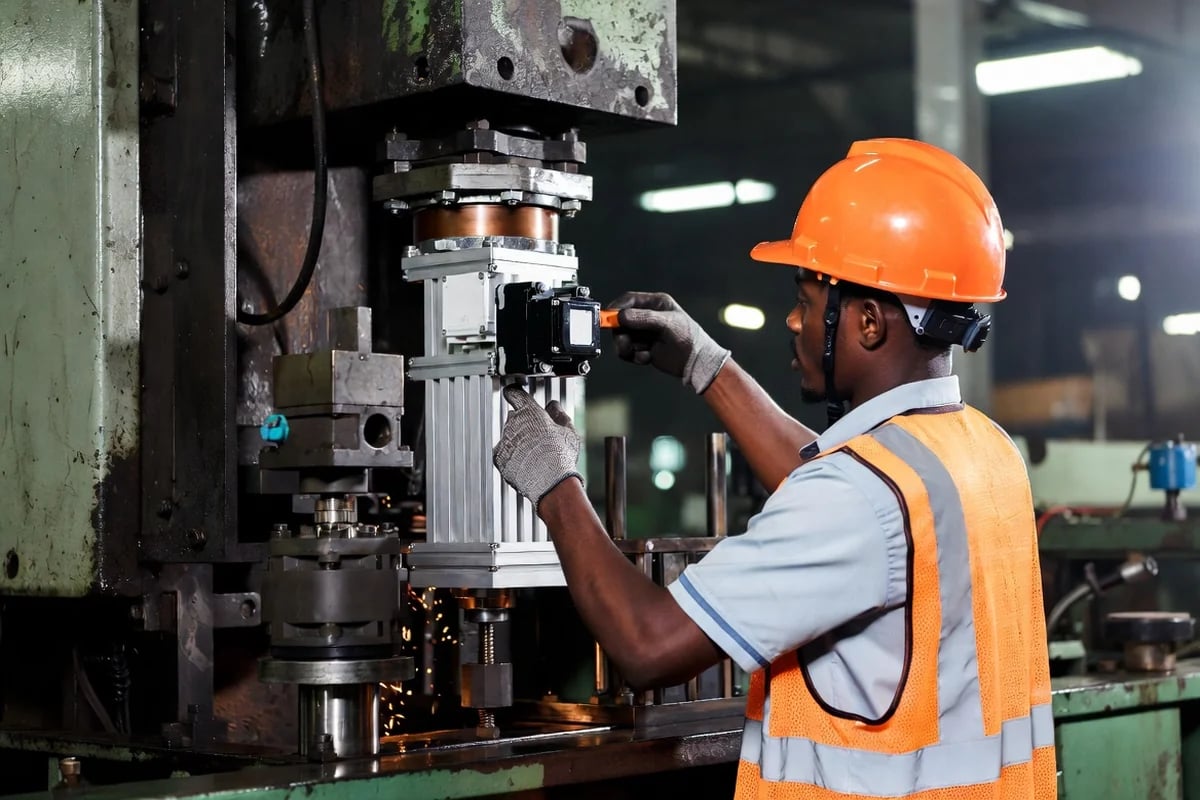
Automation Retrofits & Upgrades
Retrofitting and upgrading existing machinery and production lines with modern automation technology, extending asset life and improving performance without requiring full plant replacement.
Modernising a production line is an engineering decision, not a rip-and-replace — and to be clear before anything else: RoboFactory Africa retrofits and upgrades physical machinery and production lines (PLC/SCADA, sensors, actuators, programmable logic) — not consumer robotics, robotics education, or RPA software. We extend asset life and bring legacy equipment up to current operational demand for manufacturers and process plants across Ghana and Togo, since 2018. Request a consultation — or scope an automation project: +233 20 531 3333 (Togo / Francophone: +228 96 86 86 75).
What Are Automation Retrofits & Upgrades?
Automation retrofits and upgrades involve integrating modern control systems, sensors, actuators, and programmable logic into existing machinery and production lines — transforming legacy equipment into precision-managed assets without the capital commitment of full plant replacement. Rather than scrapping serviceable mechanical infrastructure, a well-engineered retrofit extends asset life, closes performance gaps, and brings a production line into alignment with current operational demands.
This service is specified by plant engineers, operations directors, and manufacturing executives who recognise that their core machinery retains structural and mechanical value, but whose control architecture, throughput capability, or data-visibility has fallen behind what competitive production requires. Across Ghana and Togo, the retrofit pathway is increasingly the strategic choice for manufacturers, processors, and industrial operators who must modernise incrementally without halting production.
When to Specify Automation Retrofits & Upgrades
The retrofit and upgrade pathway is most precisely indicated when a facility holds functioning mechanical assets — conveyor systems, filling lines, mixers, presses, packaging equipment — whose underlying controllers are outdated, unsupported, or incapable of integration with supervisory systems. Food and beverage processors, pharmaceutical manufacturers, cement and construction materials producers, and light-industrial assembly operations across Ghana and Togo represent the sectors where this work delivers the clearest return.
It is also the appropriate specification when a phased modernisation programme is underway — where full-floor automation is the long-term objective but operational continuity, budget staging, or regulatory sequencing demands that transformation proceed in controlled increments. A retrofit executed with rigour at one production stage creates the control architecture foundation from which subsequent phases extend.
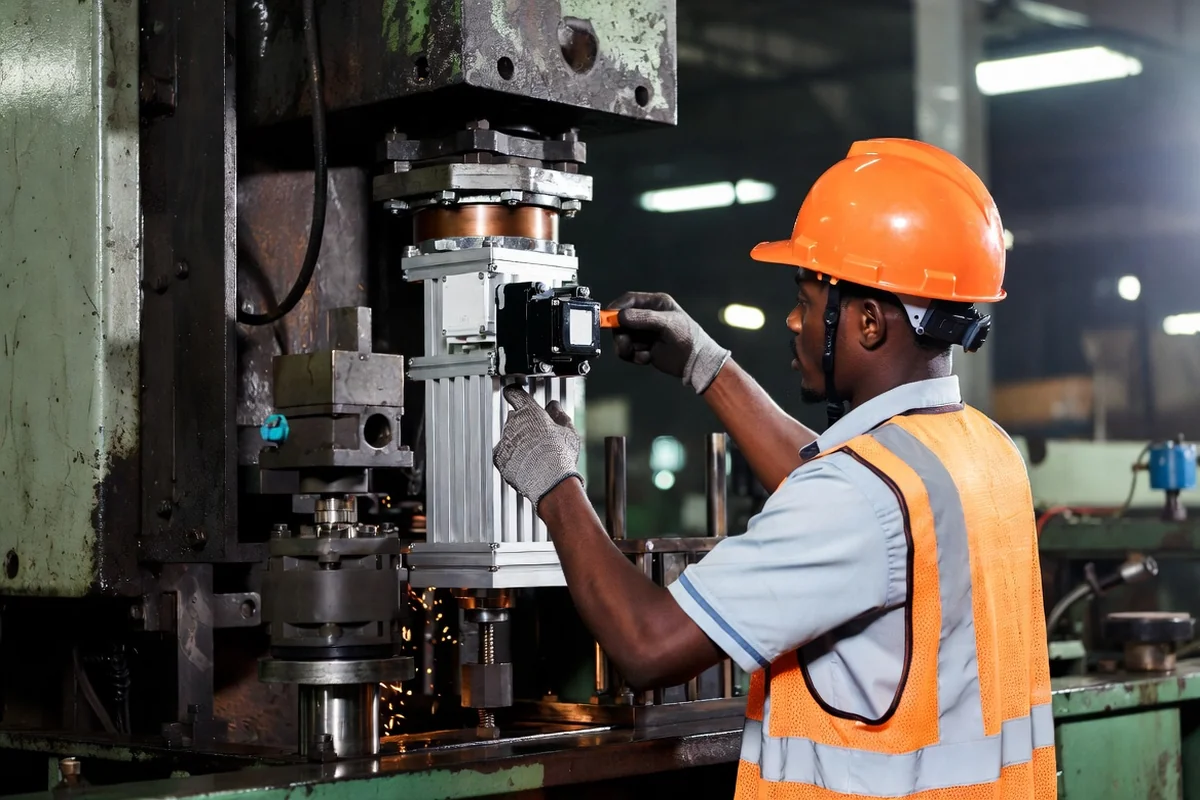
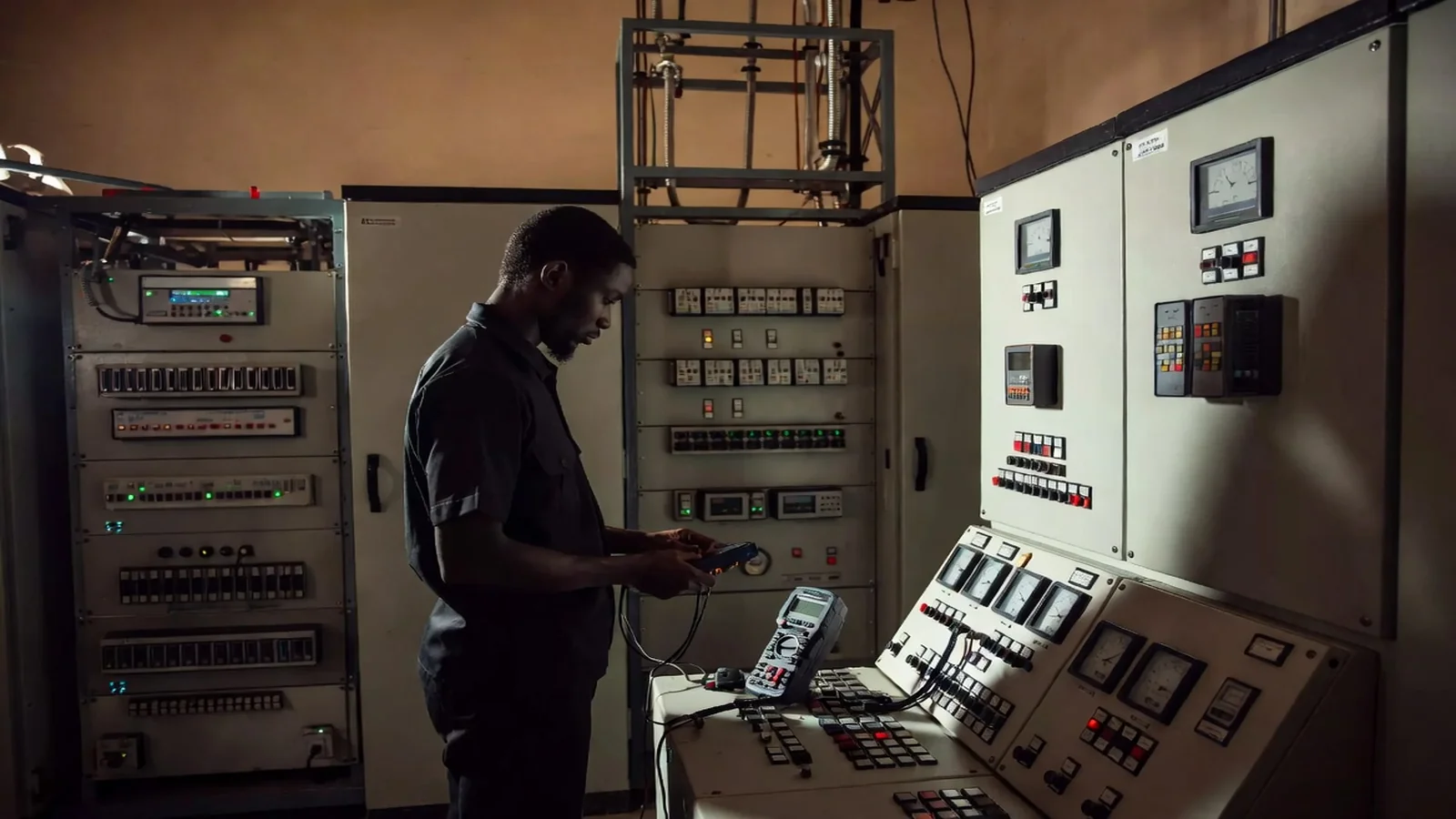
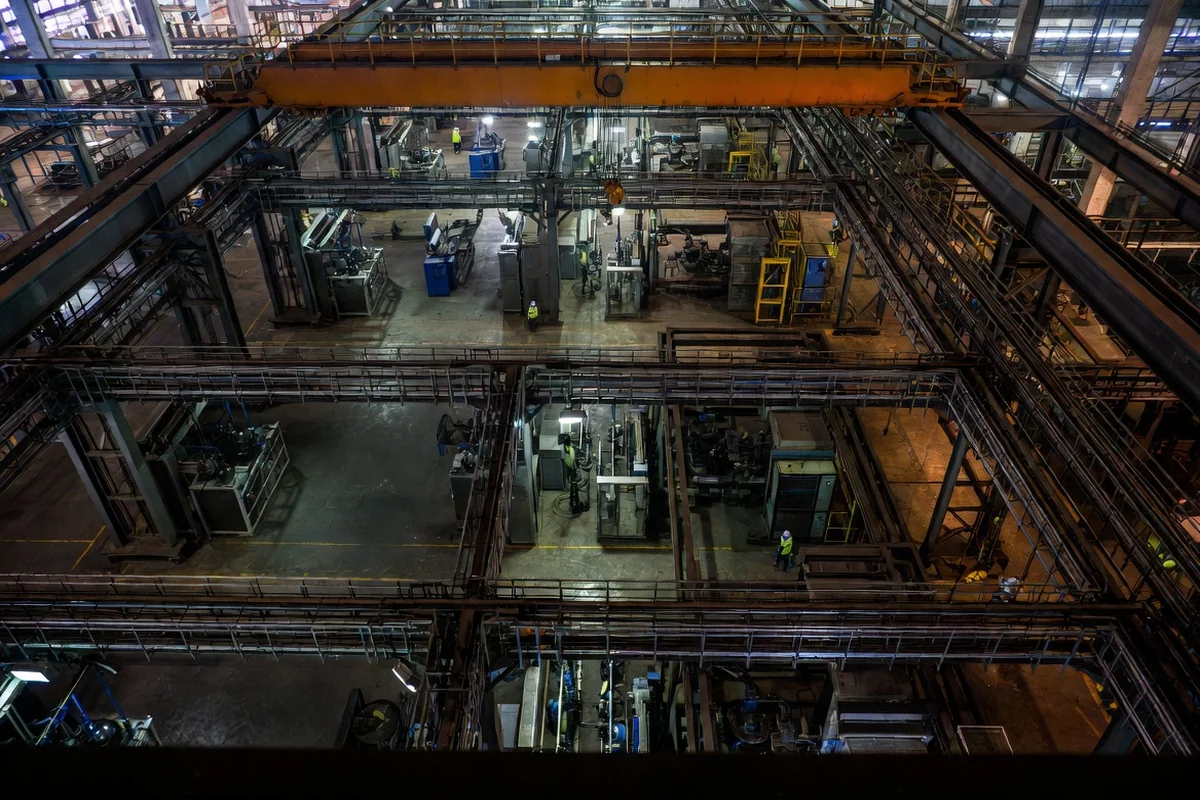
Methodology — The RoboFactory Africa Specialist Approach
-
Operational Audit & Asset Evaluation — Specialists conduct a structured assessment of the existing machinery: control system age, communication protocols, I/O architecture, mechanical condition, and current throughput against design capacity. This audit produces a documented baseline and a prioritised retrofit scope.
-
Engineering Design & System Specification — A bespoke automation design is developed for the specific asset and production context — selecting appropriate PLC platforms, HMI interfaces, sensor arrays, and communication standards to match the facility’s operational environment and future integration roadmap.
-
Phased Implementation Planning — The retrofit schedule is structured around the client’s production calendar, minimising downtime windows and sequencing work to maintain operational output throughout the upgrade process.
-
Integration, Configuration & Commissioning — Specialist engineers execute the physical and software integration, configure control logic to the client’s process parameters, and commission the upgraded system under supervised production conditions before formal handover.
-
Operator Training & Documentation Handover — Plant operators and maintenance personnel receive structured, hands-on training on the upgraded system. Complete documentation — including wiring schematics, configuration files, and operational procedures — is transferred to the client as a managed asset.
Technical Standards & Approach
- Control system engineering aligned to industrial automation best practice for tropical operating environments in Ghana and Togo
- PLC and SCADA platforms selected for long-term vendor support and local technical serviceability
- Sensor and actuator specification matched to process-specific temperature, humidity, and duty-cycle conditions
- Communication architecture designed for future integration with plant-wide supervisory or ERP systems
- All configuration and commissioning documented to a standard that supports in-house maintenance capability
Outcomes
A well-executed automation retrofit delivers measurable improvement in process consistency, production throughput, and equipment reliability — without the disruption and capital expenditure of full plant replacement. Clients gain modern control visibility, reduced manual intervention in critical process stages, and a documented system architecture that supports ongoing maintenance and future expansion. The retrofit also positions the facility for progressive automation phasing, with each upgrade creating a technical foundation the next stage can build upon.
Related Services & Solutions
- PLC & SCADA Integration — the control architecture layer that underpins most retrofit programmes
- Industrial Process Automation — full-scope automation for new or substantially redesigned production lines
- Operator Training & Technical Support — structured competency programmes delivered post-commissioning
- Automation Consulting & Feasibility — strategic scoping for facilities evaluating the retrofit versus replace decision
Related Services
- Industrial Automation & Systems Integration — design to commissioning, one integrator
- Automation System Design & Engineering — the architecture phase behind a retrofit
- Controls & Instrumentation — the panels, PLC/SCADA and sensors a retrofit installs
- Process Automation — line automation engineered to the target
- Automation Consultation & Assessment — the retrofit-versus-replace decision
- Training & Enablement — operator competency on the upgraded system
- Maintenance & Support — lifecycle aftercare for the modernised line
Engineered to Standard
- We engineer to recognised practice — IEC 61131-3 (PLC programming), ISO 12100 (machinery safety risk assessment), IEC 61439 (control-panel assemblies), ISA-95 (supervisory/MES integration) and IEC 61508 / IEC 61511 (functional safety / SIL where required) — and within Ghana’s Factories, Offices and Shops Act 1970 (Act 328) / DFI safety regime
- We describe these as the framework we work to, and claim a specific certification or OEM-partner badge only where it is actually held
- A retrofit is scoped and quoted per project — the asset, the control scope, the protocols and the phasing all drive it, so there is no flat published rate; we quote against your actual requirement, never an invented figure
- Established 2018 — a real factory-automation integrator serving manufacturers and process plants across Accra, Tema and Ghana’s industrial zones, and into Togo (Lomé) and the wider West-African market, not a consumer-robotics or software-RPA vendor